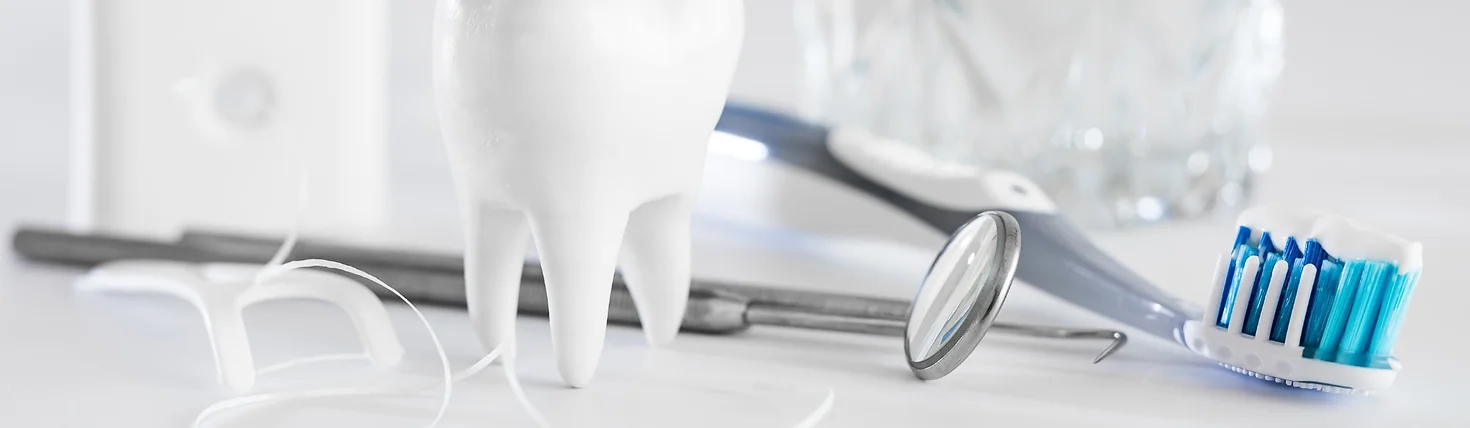
Examinations and Cleanings
The dentist will conduct a simple oral examination with each patient to make sure there are no special problems with the teeth, gums, and mouth. Generally speaking, an oral examination will be accompanied by a comprehensive teeth cleaning. If the dentist detects problems or signs of disease, the dentist may recommend that the patient undergo an X-ray to get a complete picture of their oral health.
The Principle and Importance of Teeth Cleaning
The dentist will use an ultrasonic dental scaler to break up calculus and stains on the surface of the patient's teeth. After removing the dirt, the dentist will then use dental pumice powder to polish the tooth surface to strengthen the outer layer of the teeth and restore smoothness. Teeth scaling can completely remove the plaque that forms on the teeth, effectively preventing the occurrence of dental diseases.
You should know that if the plaque attached to the teeth is not completely removed, the plaque bacteria will erode the tooth structure, which can lead to tooth decay, gum inflammation, periodontal disease, and in severe cases, tooth recession, and eventually tooth loss.
Is it normal for teeth to bleed during teeth cleaning?
Some people bleed a lot when cleaning their teeth, so they are afraid of cleaning their teeth, and even mistakenly think that the enamel is damaged. In fact, bleeding during teeth cleaning is normal and will not damage the hard enamel.
Teeth bleeds because the body is fighting against the bacteria attached to the teeth. The immune bacteria flow to the gums through the blood, causing inflammation of the gums. At this time, the gums are easily susceptible to external stimulation and bleeding, including brushing or flossing.
Teeth scaling removes tartar and plaque on a large scale, causing greater irritation to the inflamed gums. However, once the tartar is removed, the gums will gradually reduce inflammation and shrink, and the bleeding will disappear on its own.
If you brush and floss your teeth every morning and evening, do you still need to wash your teeth?
Need.
Bacteria, food residues and saliva will form dental plaque on the teeth, gums and between teeth. Some areas are difficult to clean. If not removed in time, dental calculus will form, leading to various dental diseases. When dental calculus forms, it is difficult to remove with toothbrushes and floss alone, and must undergo dental scaling treatment to completely remove it.
The average person should have their teeth cleaned every six months to one year. For those who have dental or oral diseases, they should have their teeth cleaned every three months.