Fillings, and Root Canal Treatments
Tooth decay is a common oral problem. The main cause is bacterial erosion of the tooth surface, which damages the health of the teeth. If ignored, bacteria may penetrate deep into the tooth, exposing large holes in the tooth. The dentin and nerves located deep in the tooth may also be damaged, causing severe toothache. Depending on the severity of the tooth decay, the dentist will decide on filling or root canal treatment as the treatment method.
What are the causes of tooth decay?
The biggest reason is that the mouth is not cleaned thoroughly after eating, so that food residues are mixed between the teeth, which can easily mix with bacteria and saliva to form dental plaque, which then adheres to the tooth surface. The longer plaque remains between the teeth and gums, the greater the chance of causing tooth decay. This is because plaque produces harmful acidic substances that erode the enamel on the tooth surface, decalcifying and softening the teeth, and eventually forming tooth decay.
The initial symptoms of tooth decay are not obvious until the tooth decay extends down to the internal structure of the tooth. The following symptoms may appear:
· Tooth pain when biting
· Teeth are sensitive to hot and cold drinks
· There are obvious black cavities on the teeth. There are brown and black spots or white soft deposits on the tooth surface
· Red and swollen gums
How to treat tooth decay?
There are three stages of tooth decay: early, middle and late stages, and the treatment methods at each stage are different.
Early Stage of Tooth Decay
The patient usually does not feel pain, and the tooth surface is intact. The dentist may not be able to detect cavities between the teeth with the naked eye. Dental X-rays are needed to confirm the cavities. During treatment, the dentist will apply high-concentration fluoride to the cavities to replenish the lost minerals and fill the cavities.
Middle Stage of Tooth Decay
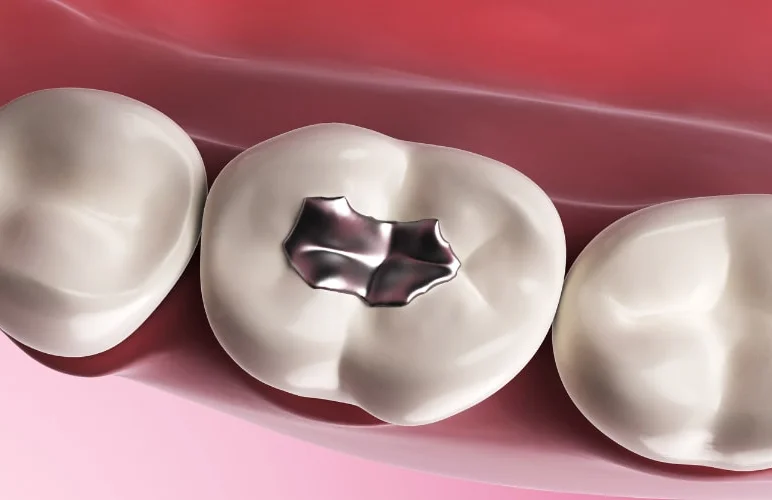
When tooth decay becomes more severe and invades the dentin in the middle layer of the tooth, the patient begins to experience toothache or discomfort. If the area of tooth decay is small, the dentist will usually perform a filling; if the area of tooth decay is large, the dentist may place an artificial crown to protect the non-cavity part of the tooth.
Late Stages of Tooth Decay
If a patient feels severe pain due to tooth decay and there are obvious cavities on the tooth surface, bacteria may have spread to the dentin and pulp, possibly causing periodontal inflammation and even affecting the overall oral health. At this time, root canal treatment (root canal treatment) may be required; in some cases, tooth extraction may even be required.
What is root canal treatment?
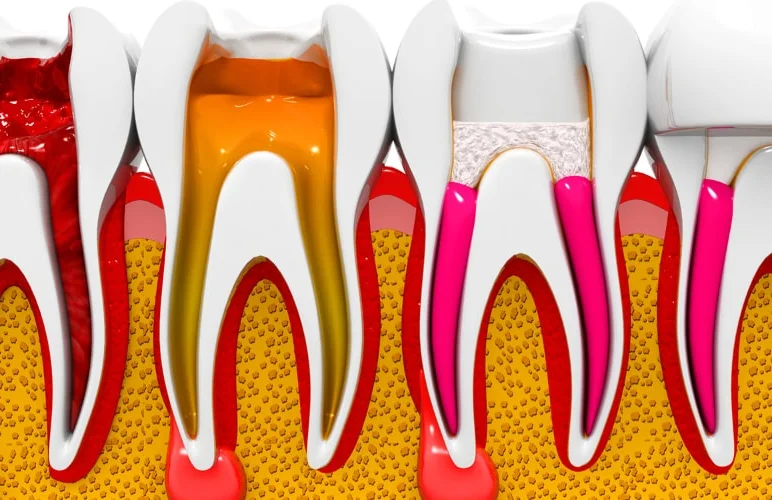
Under the dentin of the tooth is the "pulp cavity", which contains soft tissues such as blood vessels and nerves. If tooth decay extends to the pulp, it will lead to inflammation, suppuration, and necrosis of the pulp nerve, causing the patient to feel severe pain and allowing bacteria to spread throughout the mouth.
In response to this situation, dentists usually use root canal treatment, which uses instruments to remove bacteria and necrotic tissue in the dental pulp, then performs root canal cleaning and enlarging steps, and finally fills the root canal to seal the tooth cavity. Root canal treatment is a treatment for complex tooth decay cases. You can learn more about root canal treatment at Specialist in Endodontics.